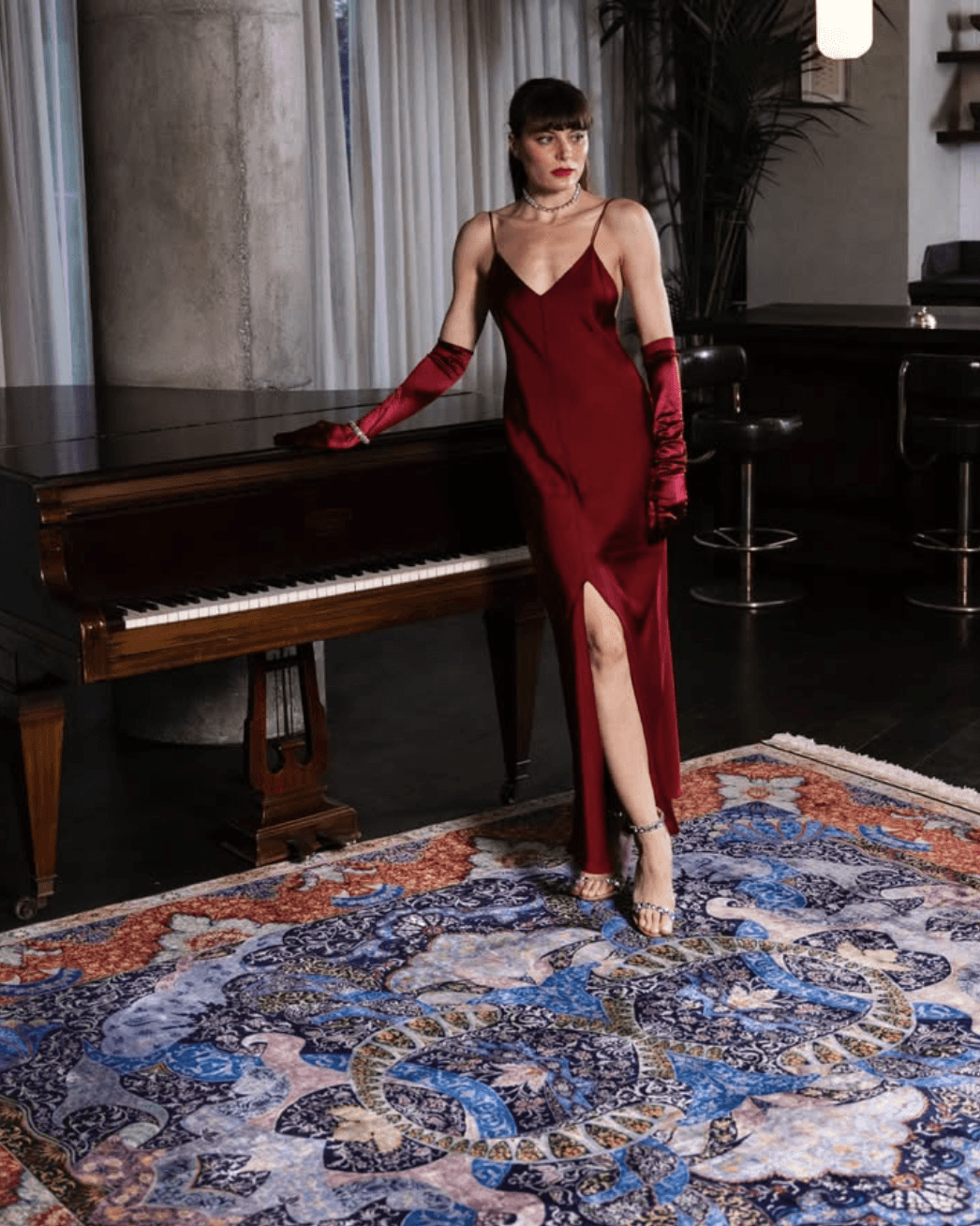

Selling a product is one thing; building a luxury brand is another. Look at the world's most valuable brands today and you will see one shared trait. None of them sell a product. They sell a story. They sell a sense of belonging. They sell a way of life. They sell status. They sell a legacy. That is the single biggest difference between luxury brands and ordinary ones. When we started working with Özipek, what stood in front of us was extraordinary craftsmanship. Knowledge passed down through generations. Some of the most valuable silk carpets in the world. Exceptional workmanship. A genuine cultural heritage. And yet the perception in the digital world was not at the same level as the true value of the product. The problem was not the product. The problem was perception. And our job was to change that perception completely.
The Problem: Extraordinary Products, Ordinary Brand Perception
Many premium brands face the same problem.
Their products are better than their competitors'.
Their quality is higher.
Their production processes are more exclusive.
But their story is not strong enough.
So price gets discussed where quality should be discussed.
Discounts get discussed instead of craftsmanship.
Product specs get discussed instead of heritage.
That was the biggest obstacle in front of Özipek as well.
Even though the brand had decades of history behind it, it could not project the value it held in the digital world.
At that point we launched not a conventional marketing project but a brand transformation project.
The Strategy: Leaving the Carpet Category and Entering the Luxury Brand Category
Most brands in the market compete against the wrong rivals.
A carpet brand compares itself with other carpet brands.
A furniture brand with other furniture brands.
A fashion brand with other fashion brands.
Real luxury brands, however, compete on perception, not on category.
So our first strategic decision was this:
Position Özipek not as a "carpet brand" but as a "luxury living and art brand."
Because people were not simply buying a carpet.
They were buying a culture.
They were buying a story.
They were buying a heritage.
They were buying a work of art.
This approach changed the brand's entire language of communication.
How Is Luxury Brand Positioning Done?
Luxury brands are built on three fundamentals:
1. Heritage
Real luxury brands draw their strength from their past.
Özipek's decades of accumulated knowledge were the brand's greatest capital.
We made that story visible.
2. Craftsmanship
Luxury customers do not buy a product.
They buy mastery.
So we brought the production process to the foreground.
We placed the art of silk weaving at the center of the brand.
3. Cultural Value
Quality determines a product's price.
Cultural impact determines a brand's value.
So we positioned Özipek not only in the world of interiors, but in the fields of:
- Art
- Design
- Architecture
- Collecting
- Cultural heritage
as well.
We Rewrote the Storytelling from Scratch
Luxury brands do not describe features.
They create meaning.
So we rebuilt the brand's entire story.
Every piece of content, from product descriptions to corporate copy, was reworked.
The language changed.
The tone changed.
The positioning changed.
What was being told was no longer carpets.
What was being told was mastery.
What was being told was culture.
What was being told was a heritage that defies time.
We Turned the Digital Presence from an Ecommerce Site into a Digital Flagship
The luxury customer thinks differently.
When they look at a website, they evaluate the brand, not the products.
So we approached Özipek's digital experience from an entirely different perspective.
Our aim was not to show more products.
It was to make more value felt.
Every detail on the website served one question:
"Does this brand look like a brand that could stand among the world's most prestigious names?"
Thanks to this approach, the digital experience became a structure that supports the brand's value.
We Marketed Desire, Not the Product
The fundamental rule of luxury marketing is this:
People do not buy the product; they buy the life the product represents.
So in the communication strategy we placed concepts such as:
- Prestige
- Aesthetics
- Mastery
- Timelessness
- Heritage
- Artistic value
at the center.
Thanks to this approach the brand moved away from price competition.
It moved into value competition.
The Result: A Brand Transformation
Today Özipek is positioned not merely as a company that produces quality carpets,
but as a luxury brand carrying Turkish craftsmanship to the world.
The brand now stands out not only for its products, but for its:
- Story
- Culture
- Design sensibility
- Artistic approach
- Heritage
as well.
And that is exactly how real luxury brands are built.
Takeaways for Founders Who Want to Build a Luxury Brand
Having a premium product does not make you a luxury brand.
To become a luxury brand you need:
- A strong story
- Clear positioning
- Cultural value
- The right communication
- A flawless brand experience
Özipek's transformation is a powerful example of this.
Because sometimes the path to growth runs not through more advertising, but through redefining who the brand is.
What Does Smartkid Do for Luxury Brands?
At Smartkid we do more than manage advertising for premium and luxury brands.
We reposition brands.
We rewrite their stories.
We rebuild their perception.
Because what brands selling high-priced products need is not more traffic;
it is higher perceived value.
- Luxury furniture brands
- Premium fashion brands
- Jewelry brands
- Design-led brands
- Architecture and lifestyle brands
- Heritage brands
gain not just visibility but brand value by working with Smartkid.
Because real growth begins in perception, before the sale.
The approach we used in this case: Web Design & Development. A roadmap made for you in 15 minutes.